Introduction
Why do humans age? What is cellular senescence? Why can’t we live forever? The answer lies deep in our internal code, the blueprint of life – DNA.
DNA is a molecule that encodes within itself instructions for making other, more diverse molecules called proteins. Proteins run almost every function in every cell, so DNA essentially serves as the blueprint for determining every cellular process. Humans have 30 to 40 trillion cells. Most of them contain the same DNA molecules, with exceptions like red blood cells.
DNA’s behavior illustrates how cells eventually have to stop functioning and dividing, ultimately causing humans to age.
Table of contents
- What is aging from a molecular perspective?
- What is cellular senescence?
- What are telomeres?
- Anti-Aging Research
- Ethics and moral concerns
- Conclusion
What is aging from a molecular perspective?
When we think of aging, we usually think of gray hair and wrinkly skin, but behind that grey hair is a lack of melanin and behind that wrinkly skin is slower production of collagen and elastin. In this way, Observed characteristics like aging always have a molecular basis. When we age there is an accumulation of damage to DNA and proteins that disrupt normal cellular function. Additionally, Death by age is when this disrupted cellular function causes failure of organ systems and death.
What is cellular senescence?
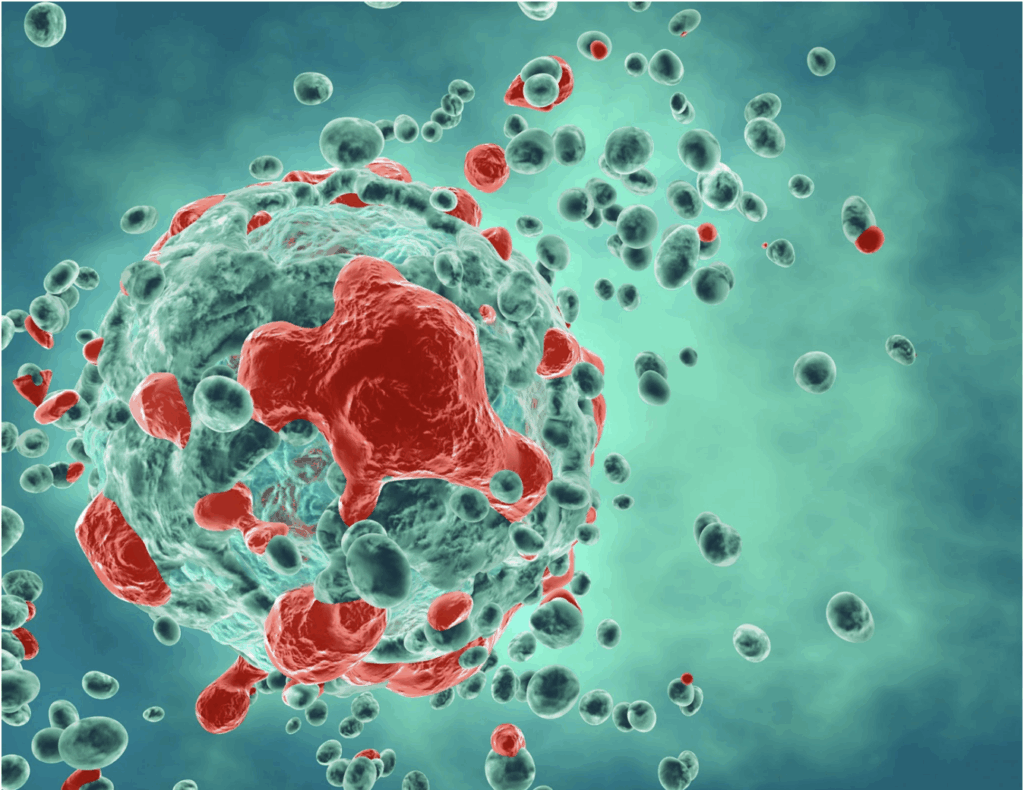
But how does this damage to DNA cause failure of organ systems? When a cell accumulates damages to DNA or proteins, it will sometimes enter a phase known as cellular senescence. This is a central contributor to aging. When a cell is in Cellular senescence, it will permanently stop dividing, but it will not die. Accumulation of senescent cells can lead to tissue dysfunction and inflammation. This is because senescent cells secrete pro-inflammatory molecules called the SASP (senescence associated secretory phenotype). These factors act as signals to attract immune cells, triggering an inflammatory response.
A process called telomere shortening in DNA is one of the main activators of cellular senescence
What are telomeres?
Ok… but what causes this accumulation of damage to DNA and proteins as we grow older in the first place? And what is it about this damage that causes cells to enter senescence? Well there are many answers to the first question; DNA repair imperfections or Reactive Oxygen Species can cause damage to DNA, but one of the most interesting reasons for this damage is the shortening of parts of DNA called telomeres.
Every cell goes through a life cycle that alternates between preparing to divide and dividing (into two daughter cells). Cells divide to replace dead cells and repair damages in tissues. But because the daughter cells have to have a complete set of DNA, the “parent cell” must find a way to replicate its DNA so that it has 2 copies — one for each daughter cell. So every cell replicates its DNA when it is preparing to divide. The problem is that every time DNA replication happens, the cell loses a small amount of DNA for complicated reasons.
To try and combat this loss, the cell will code for a protein to add extra DNA at the end of the molecule that is random and doesn’t have a function. This way, if the cell loses DNA, it isn’t important DNA. These extra pieces of DNA are called telomeres. But these telomeres are only so long, and after 60 to 70 cell divisions, the telomeres disappear and more DNA replication will cut into actual DNA that the cell needs.
After these 60 to 70 divisions, the cell will stop dividing and enter senescence, where it will not divide again. And as discussed, the accumulation of these senescent cells will eventually lead to aging and aging related diseases.
Anti aging research
It is important to know that the shortening of telomeres and accumulation of senescent cells is not the only cause of aging and death. However, combatting this can significantly increase the human lifespan. Anti- aging research is an extensive field of science focused on slowing or preventing the aging process.
Senolytics are a class of drugs that try to stop the accumulation of senescent cells by eliminating them. The problem lies in that they are still in the experimental stage and have unknown side effects. However, if they are effective, they can stop the accumulation of senescent cells and prevent the sane inflammation response that causes aging.
Senomorphics are another class of drugs that work to stop the SASP molecules that are secreted by senescent cells, instead of eliminating the cells completely. This prevents the inflammatory response from the immune system from occurring without damaging cells.
Another potential solution is Telomerase Activation Therapy. The human body actually contains enzymes called telomerase, but most adult cells don’t express it. Telomerase Activation Therapy is the name for any method that serves to extend or prevent the shortening of these telomeres. A promising example is gene therapy delivering TERT. Scientists developed an enzyme called telomerase reverse transcriptase, which creates telomerase. When scientists tested this on mice, the effects were an increased lifespan, improved glucose tolerance, and rejuvenated tissues. But perhaps most importantly, it did not increase cancer rates.
Ethics and moral concerns
Anti-aging research raises important ethical questions . One concern is access and inequality; if some people have access to a way to lengthen lifespan, this could dramatically increase the social gap between higher and lower classes, creating a world where some people age more slowly simply because they can afford it.
Another issue is overpopulation and resource strain; if too many people live longer, then the overall population of the world would dramatically increase. This could place a strain on resources and could also harm the environment by increasing deforestation rates and pollution, leading to global warming.
Ultimately, while the science of longevity is advancing rapidly, responsible progress requires careful consideration of fairness, safety, and the kind of society we want to build.
Conclusion
Aging is a multifaceted process with many important causes and considerations. It is shaped by molecular processes such as telomere shortening and cellular senescence. The anti aging field is developing many promising solutions to aging, but it is important to approach these advancements with care and to consider the ethical implications. Ultimately, the goal isn’t just to live longer, but to live healthier, fuller lives as we age.