In the past, vaccines were often celebrated as a triumph of public health, using weakened or inactivated viruses to prime the immune system. However, the rapid development and deployment of mRNA technology have sparked questions about how these modern interventions differ from traditional methods. Have these advancements prioritized speed and scalability at the expense of long-term stability or natural immunity? Let’s delve into the truth about genetic instructions, immune response, and the technology behind mRNA to determine how these vaccines reshape our approach to infectious diseases.
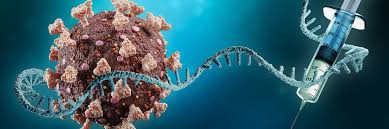
1. The Shift to Genetic Instructions in Modern Vaccines
Over recent years, researchers have transitioned from using whole pathogens to using genetic code. A landmark study published by Dr. Drew Weissman and Dr. Katalin Karikó revealed that modifying nucleosides could suppress the body’s inflammatory response to exogenous mRNA, allowing it to safely deliver instructions to cells (Karikó et al., 2005).
How Do mRNA Vaccines Work? Is it Genetic Modification?
Several factors define the mechanism of mRNA vaccines:
- Blueprint Delivery: Instead of injecting a piece of a virus, mRNA vaccines provide a “blueprint.” The body’s own ribosomes read this code to produce a harmless protein—such as the SARS-CoV-2 spike protein.
- Lipid Nanoparticles (LNPs): Because mRNA is fragile, it is encased in tiny fat bubbles called LNPs. These protect the instructions and help them enter the cells effectively.
The Result: A Targeted Immune Response
This practice makes vaccines highly adaptable. Unlike traditional vaccines that require growing large quantities of a virus in chicken eggs or bioreactors, mRNA can be synthesized in a lab. This allows for a precise immune response focused on specific parts of a pathogen, though it requires specialized cold storage to maintain the stability of the mRNA molecule.
2. Speed of Development and Manufacturing. Genetic Modification?
One notable change in vaccinology is the speed at which mRNA vaccines can be produced, resulting from decades of modular research.
Why Are They Developed So Quickly?
- Synthetic Production: Because they are chemically synthesized rather than biologically grown, researchers only need the genetic sequence of a virus to start designing a vaccine.
- Platform Versatility: The same “delivery truck” (the LNP) can be used for different “cargo” (the mRNA sequence), allowing for rapid pivots to address new viral variants.
Is the Speed a Safety Concern?
While the timeline was compressed during the COVID-19 pandemic, the fundamental technology had been in development for over 30 years. Clinical trials for mRNA vaccines follow the same rigorous phases as traditional ones. However, because the technology is newer in large-scale human application, long-term monitoring continues to be a standard part of post-market surveillance to track rare side effects (Polack et al., 2020).
3. Genetic Instructions: Their Impact on Human DNA
A common concern regarding mRNA vaccines is whether they alter the recipient’s genetic makeup.
Do mRNA Vaccines Change Your DNA?
- Location Matters: Human DNA is stored in the cell nucleus. mRNA vaccines do not enter the nucleus; they stay in the cytoplasm where the protein-making machinery lives.
- No Integration: mRNA cannot be converted back into DNA by the body’s natural processes (it lacks the enzyme reverse transcriptase), meaning it cannot integrate into the human genome.
- Cancer Research: Interestingly, the same technology is being used in research stages to “teach” the immune system to recognize and attack specific cancer cells by targeting unique tumor proteins (Sahin et al., 2017).
Are mRNA Vaccines “Better” Than Traditional Ones?
mRNA vaccines are rigorously tested and have shown high efficacy rates. However, they are often chosen for their speed and ability to induce both “B-cell” (antibody) and “T-cell” (cellular) immunity. Those concerned with newer platforms often have the option of “protein subunit” vaccines, which use more traditional manufacturing methods.
Are mRNA Vaccines Still a Healthy Public Health Choice?
Despite the shift in technology, mRNA vaccines remain a vital tool for global health:
- High Efficacy: They have demonstrated a strong ability to prevent severe disease and hospitalization.
- No Live Virus: Because they don’t contain the actual virus, there is no risk of the vaccine causing the disease it is intended to prevent.
- Rapid Updates: They can be tweaked quickly to address “immune escape” as viruses mutate.
The Takeaway: Innovation and Informed Choice
While mRNA technology represents a significant change, it offers unique advantages in a rapidly changing world. To maximize the benefits of any vaccination:
- Consult Healthcare Providers: Discuss your specific medical history and any concerns about ingredients or platform types.
- Stay Informed on Boosters: As viruses evolve, the “formula” of the mRNA may be updated to maintain protection.
- Look at the Data: Peer-reviewed studies consistently show that the benefits of protection against severe illness outweigh the risks of side effects for the vast majority of the population.
Conclusion: Embracing Innovation for Global Health
Scientific advancements have influenced how we fight disease, but the goal remains the same: preparing the body to defend itself. mRNA vaccines provide a precise, efficient way to trigger immunity without the complexities of handling live pathogens. By understanding the science and staying informed, you can appreciate the role of this modern technology in navigating the future of medicine.