Since we are usually born with all four of our limbs, we usually take them for granted. However, there are certain people who do not have the ability to use their arms and legs, specifically because they have lost all control of these limbs. This immobility is broadly categorized as paralysis, which comes in many forms and can be caused by a multitude of things.
Table of Contents:
- Formation
- Types of Paralysis
- Recovery
- Conclusion
Formation
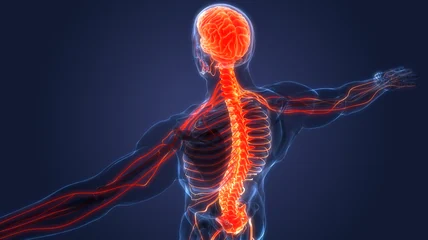
Paralysis occurs when people are unable to make voluntary muscle movements, usually caused by a problem with the nervous system. When nerves get damaged, they cannot effectively send electrical messages to the muscles which then won’t move. This is most often caused by traumatic injuries to the spinal cord. However, paralysis can also come from brain injuries, birth disorders, autoimmune disorders, and neurological diseases. Specifically, one famous neurological disease is ALS also known as Lou Gehrig’s disease. Named for the famous baseball player who had it, Lou Gehrig’s disease is a condition where motor neurons responsible for movement are destroyed, leading to paralysis and later death. While this specific disease is quite dangerous and fatal, others are less severe.
Types of Paralysis
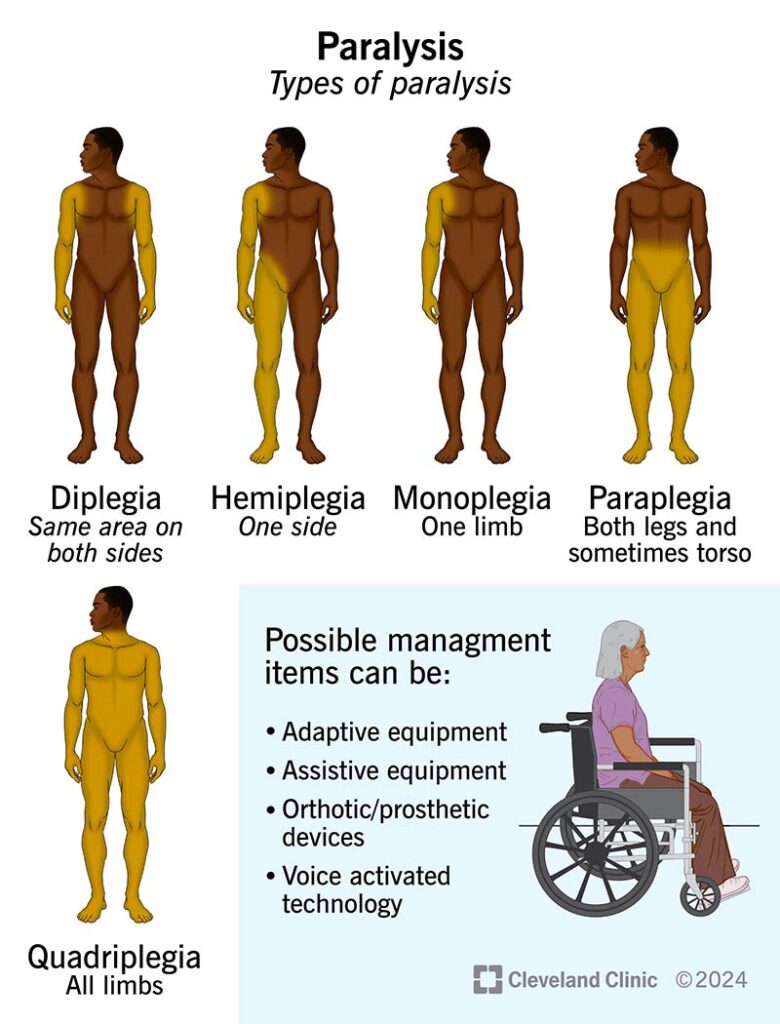
There are different types of paralysis based on how stiff the muscles are, how serious the damage is and also where the neuron control has been lost. If only one limb is paralyzed, then, it is called monoplegia. Hemiplegia is if one side of the body (one arm and one leg) is paralyzed and unable to be moved. Paraplegia is very similar but instead of an arm and a leg, it is when both legs and a portion of the torso are paralyzed. The most severe kind is quadriplegia where all limbs and the torso are immobile, which leads to the human being able to move very little below the neck.
Paralysis also comes in two variations. First, flaccid paralysis which is where the muscles are limp and relaxed, unable to contract. Usually caused by spinal artery blockage, without further treatment, flaccid paralysis can lead to muscular atrophy where the muscles start deteriorating. The opposite is spastic where the muscles are stiff and rigid. The muscles of people who have spastic paralysis often jerk periodically and spasm. This type is much more common and caused by a wide variety of things such as multiple sclerosis (an autoimmune disorder), spinal cord injury, or even just genetics.
Recovery
Unlike many other medical conditions, paralysis cannot truly be treated or cured. Some forms are temporary and go away on their own like sleep paralysis. However, other forms are permanent and never go away. The best was to deal with it is therapy. This can include speech, occupational or physical therapy. Rather than cure paralysis, it is better to try to prevent getting those brain or spinal cord injuries in the first place which includes wearing seatbelts in cars as car accidents are a leading factor in spinal cord injuries. Despite the fact that there is no true cure, recovery is still possible.

Conclusion
Paralysis is a life-changing condition. Originating from many sources, it causes serious damage and comes in various forms based on the severity. However, while there is no true cure to get rid of it, it is quite possible to recover through therapy and rehabilitation. The best way to deal with paralysis is to try to avoid the main injuries that cause it. Simple changes to our daily life can prevent such a life-changing incident from happening. Next time, you are dared to do something very risky or are ignoring the obvious dangers that are present like cannonballing into a 3ft pool, stop to consider the possible consequences and whether it is truly worth it.