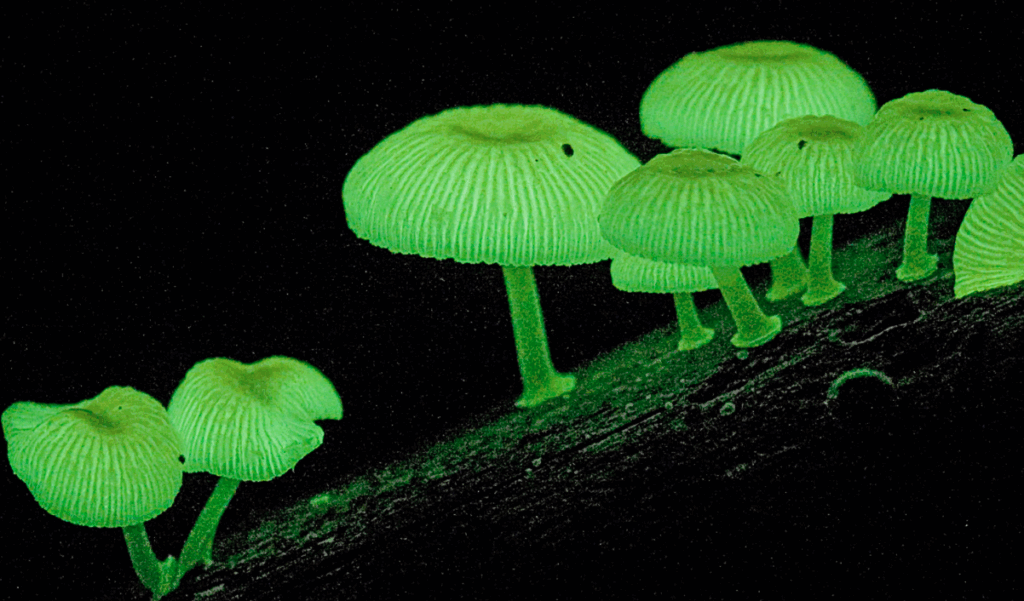
Have you ever seen the creatures deep underwater that can glow and produce their own light? These organisms are bioluminescent and produce their light through a chemical reaction. But not all creatures that glow are bioluminescent. These iridescent animals have a complex chemical process behind them that let them illuminate the ocean and sky.
Table of Contents:
- Bioluminescence vs Fluorescence
- The Actual Chemical Reaction
- The Uses
- Conclusion
Bioluminescence vs Fluorescence
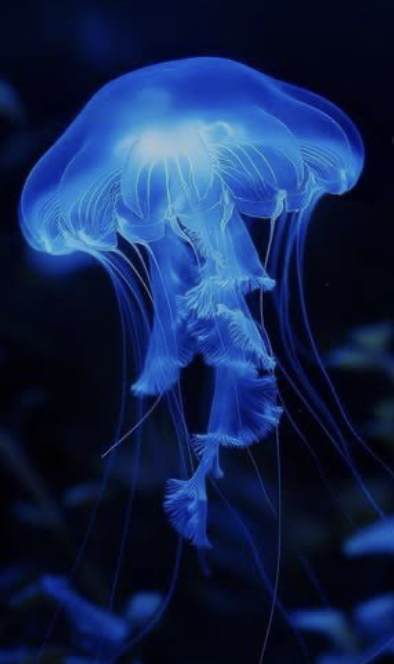
The difference between these two is quite simple. Bioluminescence requires a chemical reaction and the actual organism is producing the light. For example, many species of jellyfish are bioluminescent. However, in fluorescent objects, light is absorbed from surroundings and re-emitted. Some examples of fluorescent objects are glow-in-the-dark stickers and highlighter ink.
The Chemical Reaction
In bioluminescent organisms, the actual reaction occurs between two chemicals: luciferin, the compound that produces the light, and luciferase or a photoprotein. When luciferase, an enzyme, interacts with oxidized (oxygen-added) luciferin, the reaction creates oxyluciferin but also more importantly emits light. Different organisms get their luciferin from different sources. For example, some like the dinoflagellates, a small plankton-like creature, produce their own. Others like the midshipman fish obtain it from the food they eat. This luciferin allows them to glow, lighting up the ocean.
The Application
Many animals use bioluminescence as a defensive adaptation. Some squid flash bright colors quickly to confuse predatory fish. Other fish like the hatchetfish illuminate their bottom side so that predators like sharks looking upwards cannot see their shadow compared to the surface of the ocean. Some other animals like glowworms light up to let predators know that they are toxic, similar to how poison dart frogs are bright colors.
Other organisms use this ability to lure and search for prey. The most famous example is the anglerfish. The anglerfish uses a flesh protrusion on its head called a filament with a glowing bulb on the end to lure prey near it. Other animals like loosejaws emit a red light. Most fish can only see blue light so the loose jaw can see its prey but the prey cannot see its predator.
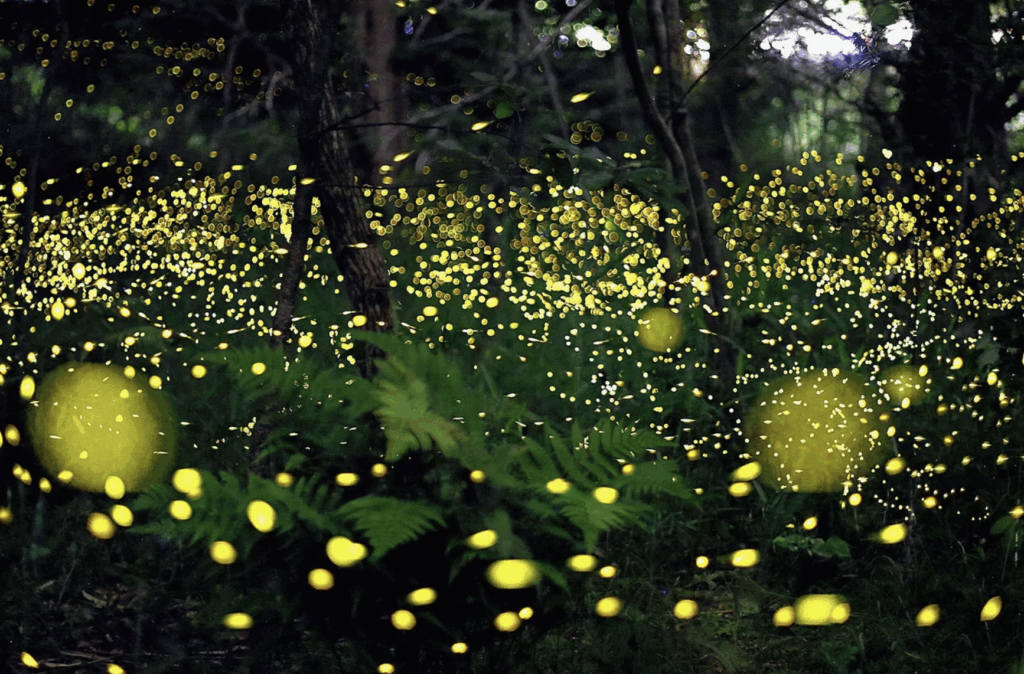
A couple organisms use bioluminescence for other reasons. For example, fireflies, which don’t even live in water, use luminescence to attract mates so they can breed. Algae are also known to emit light when their environment is disturbed or salinity levels are too low. These are just some of the various animals and applications of bioluminescence in the world.
Conclusion
Many different animals use this bioluminescence to their advantage. By creating a chemical reaction and using luciferin to light up their surroundings, these animals are able to do various cool things. From startling predators to finding prey to even attracting mates, bioluminescence helps these organisms in their daily lives. Currently, biologists and other scientists are studying bioluminescence to see how it can be implemented in society. Maybe soon we will be using this in our daily life!