
Most people think renewable energy is the perfect solution to environmental problems. Renewable energy sources, such as hydroelectric dams and wind turbines, may seem harmless and clean. However, renewable energy is not as perfect as it seems.
Table of Contents
- Benefits of Renewable Energy
- How Can Renewable Energy Harm Ecosystems?
- Conclusion
Benefits of Renewable Energy
The main reason renewable energy is considered clean is because it releases almost no greenhouse gases. Unlike nonrenewable energy sources like fossil fuels, it does not emit large amounts of carbon dioxide (CO2), which is one of the main cause of climate change. As explained by Environment Protection Agency, reducing CO2 emissions helps slow down global warming.
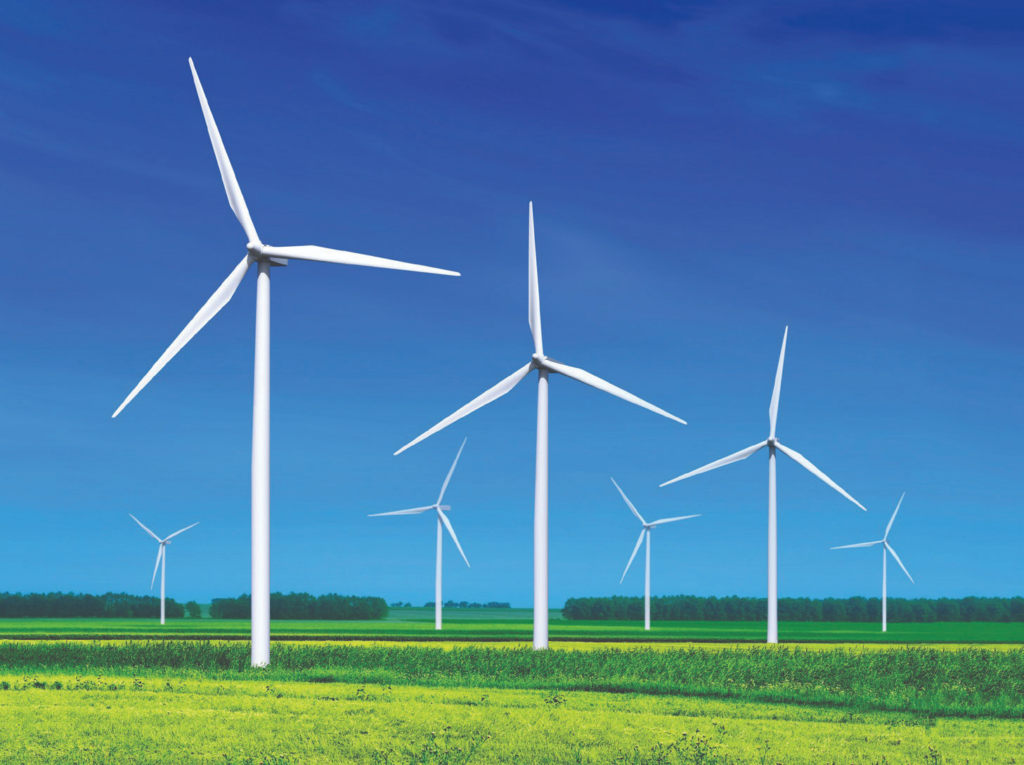
Another benefit is that renewable energy improves air quality. Fossil fuels release harmful substances such as sulfur dioxide (SO2) and nitrogen oxide (NOx), which are known as air pollutants. These pollutants can cause respiratory diseases and other health problems in humans.
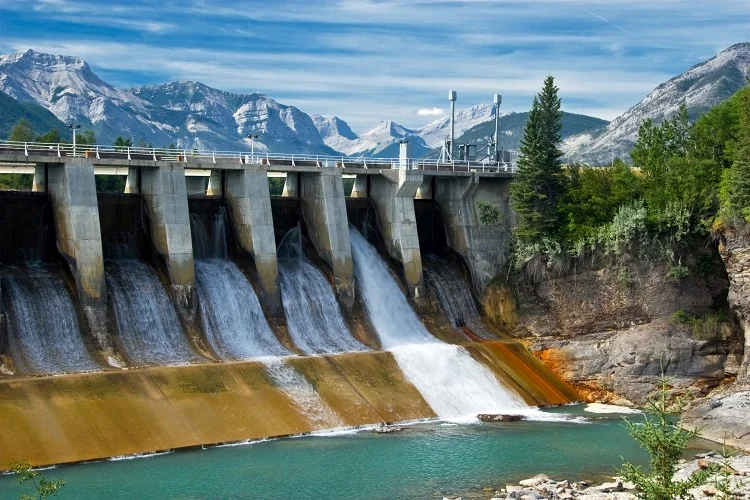
How Can Renewable Energy Harm Ecosystems?
Renewable energy can still negatively impact ecosystems. Wind turbines can kill birds and bats, especially when they are located along migration routes. This increases the risk of collision between them.
In addition, hydroelectric dams can disrupt aquatic ecosystems. They block fish, which as salmon, from moving upstream to reproduce, which will reduce the population and biodiversity.
Constructing renewable energy facilities can also destruct natural habitats. For instance, large solar farms and dam construction require a massive amount of land, and cause habitat destruction.
In conclusion, renewable energy is still better than nonrenewable energy like fossil fuels, but it is not a perfect solution. While it significantly reduces greenhouse emissions and air pollution, it also causes habitat destruction and harm ecosystems. Therefore, we should continue to use renewable energy, but to use it in a more sustainable and responsible way.



https://shorturl.fm/3sB8h