
Stiff Person Syndrome (SPS) is a rare autoimmune disorder that most commonly causes muscle stiffness and painful spasms that can worsen over time. Symptoms can vary depending on which type of SPS the patient has.
Table of Contents
- What is Stiff Person Syndrome?
- How is Stiff Person Syndrome caused?
- What are the types of Stiff Person Syndrome?
- What are the symptoms of Stiff Person Syndrome?
- Conclusion
What is SPS?
Stiff Person Syndrome is a rare autoimmune disorder. It can often lead to stiffness in the person’s body or the inability to walk normally or to walk with an unusual gait. It most commonly affects women; however, it also affects men.
SPS most commonly develops in people ages 40 to 50, but in rare cases, it occurs in children and older adults
How is SPS caused?
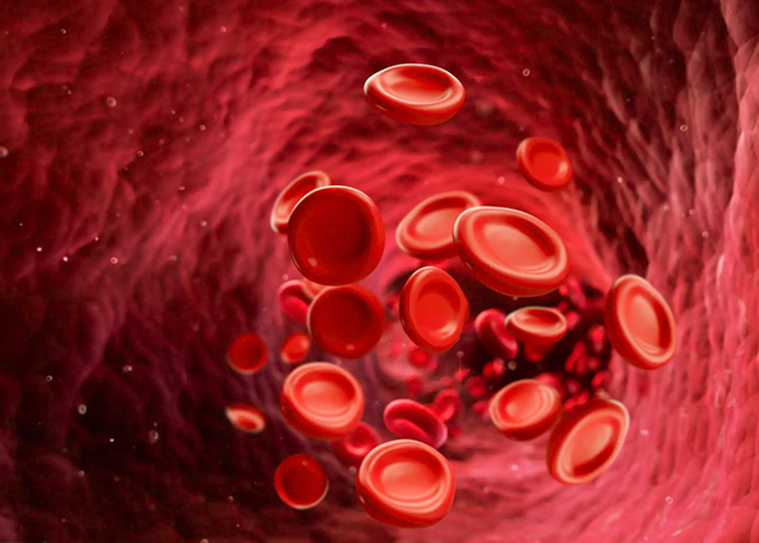
Stiff person syndrome is a rare autoimmune disorder. Most people diagnosed with SPS have unique antibodies. These antibodies block the GAD enzyme, which helps produce the gamma-aminobutyric neurotransmitter (GABA).
GABA helps block certain nerve signals. When the body does not produce it, the nerve cells act incorrectly. It can become hypersensitive. This then results in symptoms such as muscle spasms, as well as psychological symptoms such as anxiety.
What are the types of SPS?
Classic Stiff Person Syndrome: This is the most common form of SPS, accounting for 70-80% of all cases. Stiffness and rigidity, mainly in the trunk and proximal muscles (spine, abdomen, thighs), are the main symptoms of this type of SPS. Noise, touch, or emotional stress often triggers these painful spasms.
Partial / Focal Stiff Person Syndrome (Stiff Limb Syndrome): Symptoms are localized to one limb, often a leg or an arm. It usually avoids the upper body, but it sometimes affects the chest or abdomen. Often, this type of SPS is associated with limited or slow progress.
Progressive Encephalomyelitis with Rigidity and Myoclonus (PERM): This is a rapidly progressing variant of SPS where rigidity is diffused with widespread muscle spasms. This particular type of SPS often presents itself with autonomic symptoms such as ataxia, seizures, breathing difficulties, excessive startle, dysautonomia.
Paraneoplastic Stiff Person Syndrome: This is often triggered by an underlying cancer, most frequently breast, lung, thymoma, or Hodgkin’s lymphoma. Antibodies like amphiphysin usually cause this association. The symptoms for this type of STS often resemble classic SPS but progress faster.
Pediatric / Juvenile Stiff Person Syndrome: This is an extremely rare type of SPS and is seen in children and adolescents and often overlaps with other autoimmune diseases like Type 1 diabetes and Thyroiditis.
What are the symptoms of SPS?
SPS symptoms include progressive muscle stiffness, painful spasms, exaggerated startle reflex, gait and balance issues, autonomic/psychiatric symptoms, and risk of severe disability. However, as we discussed in prior sections, specific symptoms are largely dependent on the type of SPS.
Conclusion
Stiff Person Syndrome (SPS) is a rare yet serious autoimmune condition that requires greater awareness and understanding. While its hallmark symptoms can be debilitating, timely diagnosis and appropriate treatment can help improve quality of life and slow disease progression. Because SPS often overlaps with other autoimmune disorders and presents in different forms, professional medical evaluation is essential.
Staying informed and working closely with healthcare providers is crucial. Patients and families can better navigate this condition and access the therapies and support needed to manage the symptoms effectively. Remember, the information shared is for educational purposes only. If you suspect SPS or related symptoms, please consult a qualified physician for diagnosis and treatment guidance.
This site provides educational information only and is not a substitute for professional medical advice. Please consult a licensed physician for diagnosis and treatment.


kzrt3a