Have you ever experienced the soothing feeling when you pet a dog or watch some fish swim? There’s actually a science behind this and it’s known as animal assisted therapy that can be explained as ”goal-oriented, planned, structured, and documented therapeutic intervention directed by health and human service providers as part of their profession”. This is actually a term that falls under the category of animal-assisted interventions. Other types include animal-assisted education (AAE) and animal-assisted activities (AAA). Animals like birds, dogs, or horses take on different roles in these various forms. But how does it work?
Table of Contents
- The Science Behind How Creatures Cure
- The Different Types of Animal-Assisted Interventions
- Animals in Action
The Science Behind How Creatures Cure
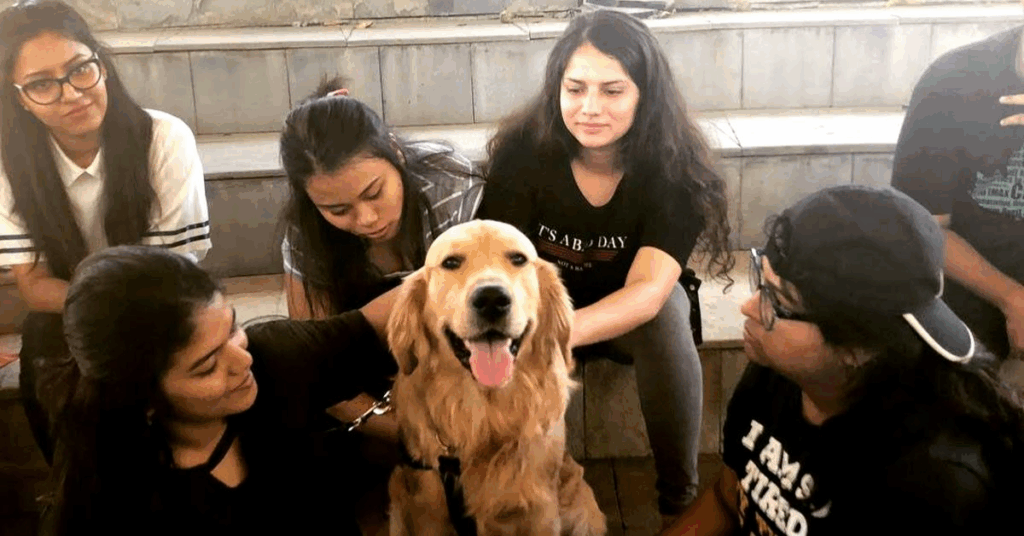
Going back to the example mentioned above, why does petting a dog relieve stress? The action of petting releases hormones such as serotonin, prolactin and oxytocin that improves moods and lowers anxiety which helps people relax. Physically, it lowers blood pressure and decreases pain. The human-animal bond creates these reactions, ultimately reflecting ourshared evolutionary history.
The Different Types of Animal-Assisted Interventions
Depending on the condition and goals of the patient, animal-assisted interventions can take form in many ways.
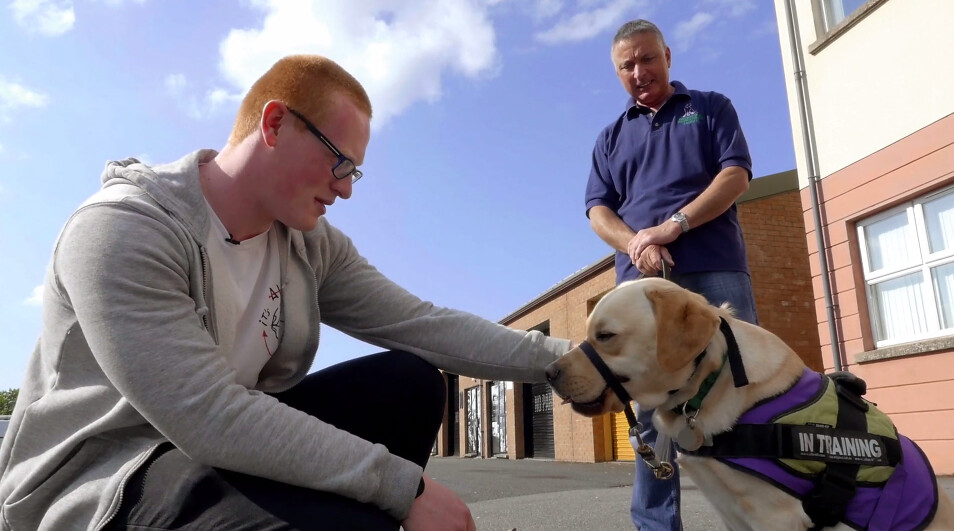
Animal-assisted therapy is a “goal-oriented, planned, structured, and documented therapeutic intervention directed by health and human service providers as part of their profession”. It is one of the more common forms of interventions and combines animal interactions with traditional therapy to “give therapists useful insights into their clients’ feelings and behaviour, seeing how they form relationships or respond to different situations”. Animals can help with occupational therapy, physical therapy, counseling, social work, or speech therapy.
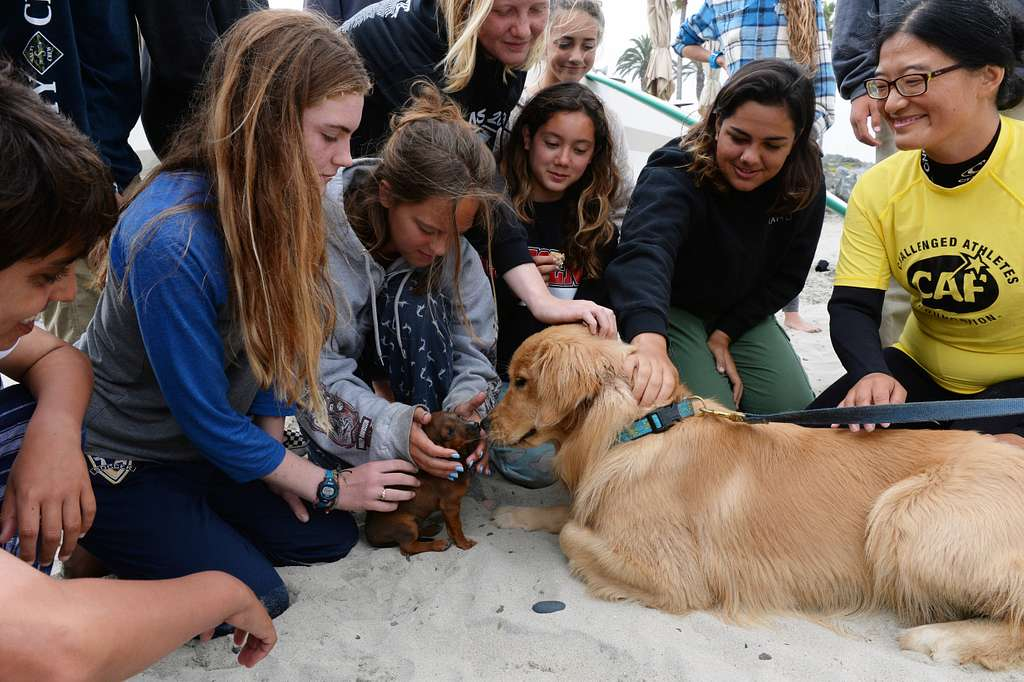
Animal-assisted activity is, in comparison, more casual. They involve short meetings between the patient(s) and the handler, think of bringing a certified animal to a hospital. These events “provide opportunities for motivational, educational, and/or recreational benefits to enhance quality of life”. Other examples include nursing home visits, crisis response visits, or stress reduction visits.
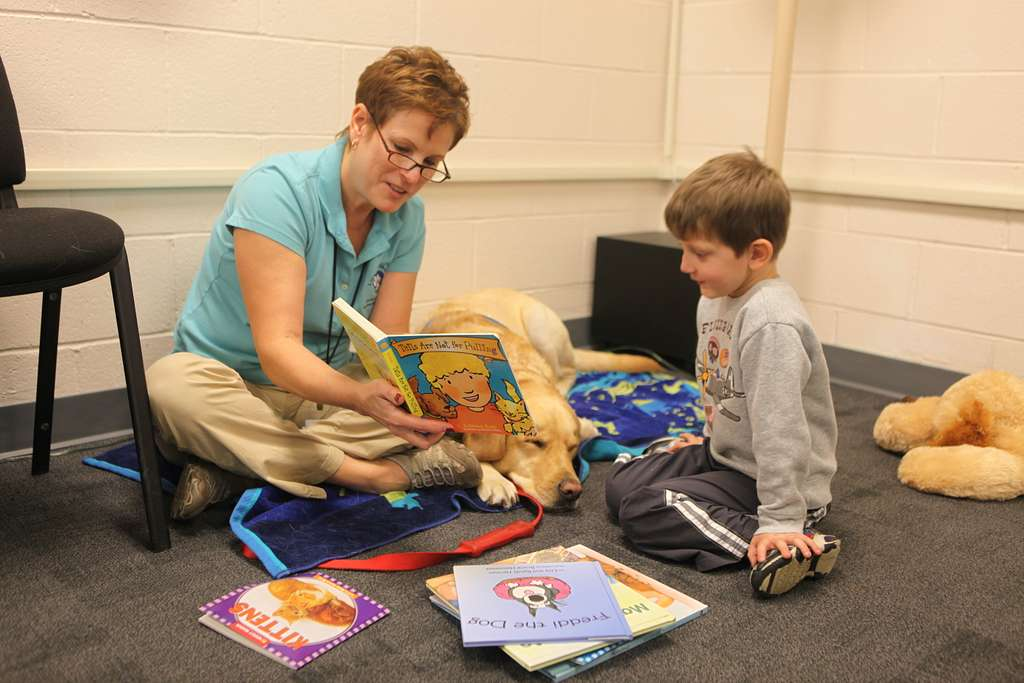
Animal-assisted education focuses on the interactions of trained animals in an educational setting. These animals can provide comfort and a supportive presence to children. The most common application of this would be reading and literacy programs, where the animals help children “to feel less vulnerable and intimidated when practicing reading”.
Animals in Action

Within these categories, numerous real-life organizations are using the healing power of human-animal connections to make tangible differences in people’s lives. For example, the Animal Angels Foundation has a “Tails of Joy” program. It’s made to improve the literacy skills of children as well as encouraging reading through animal interactions. Similarly, veterans are finding relief through equine therapy programs, where working with horses helps them rebuild trust and emotional regulation skills. These real-world applications demonstrate how properly implemented animal-assisted interventions can help traditional treatment approaches across diverse settings, even sometimes exceeding what conventional methods can achieve alone.
Ultimately, animal interactions might not be the most technologically advanced method, but it’s one that makes us realize that sometimes, the best medicine has four legs, feathers, or even fins.