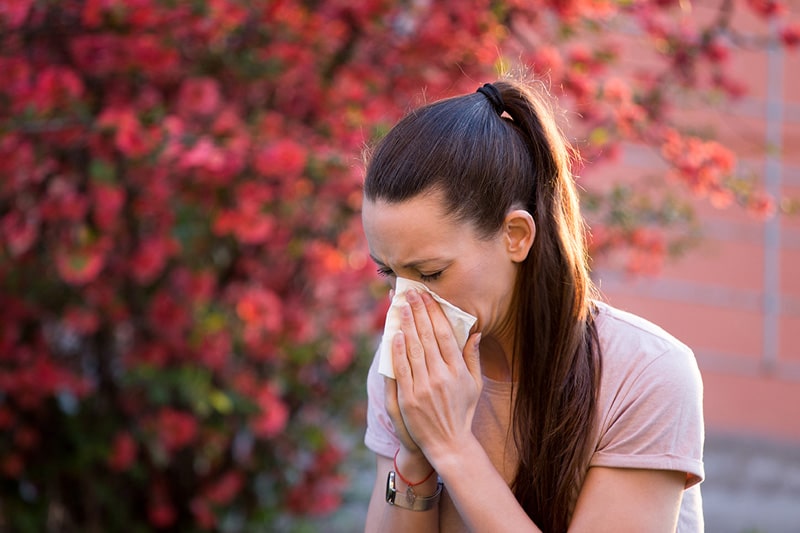
Are you one of the millions of people who adore animals but suffer from allergic reactions when around them? Unfortunately, around 10 to 20 percent of the world’s population is allergic to cats or dogs, so if you are, you are not alone. This does not include other common animal allergies to animals such as horses, ferrets, or guinea pigs. This post will break down the science behind why we react this way, debunk common myths, and explore the most effective evidence-based strategies (like management to potential “cures”).
Table of Contents
- The Real Culprit Behind Allergies
- How to Coexist with Furry Friends
- The “Cure” for Allergies?
The Real Culprit Behind Allergies
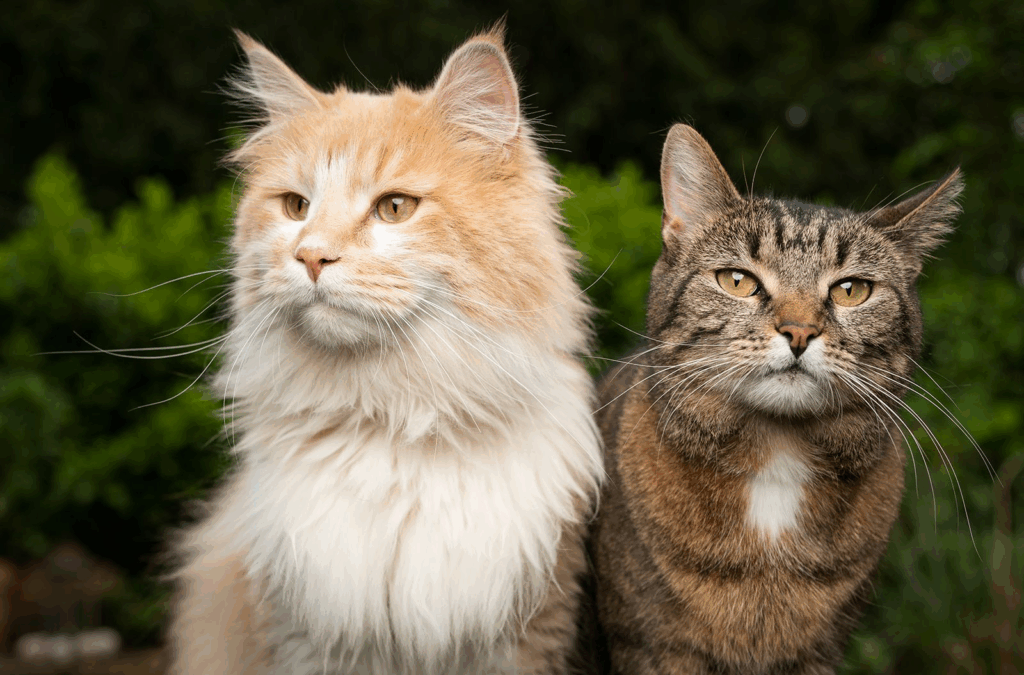
Despite popular belief, fur does not cause allergies. Instead, your immune system is overreacting to harmless proteins found in an animal’s dander (tiny, microscopic flakes of dead skin), saliva, or urine.
So, when these proteins get in the air and are inhaled, your body mistakenly identifies them as dangerous invaders, like bacteria or viruses. It launches an “attack”, releasing histamine and other chemicals that causes all those symptoms like sneezing, congestion, itchy eyes, and even asthma attacks. This is also why you can get itchy eyes when you pet an animal and then touch your eyes. Similarly, a lick or scratch can also cause allergic reactions.
For cats, the primary villain is a specific protein called Fel d 1, which is produced in their saliva and sebaceous glands. It’s exceptionally sticky and lightweight, meaning it clings to everything, from clothes, walls, and furniture. It can also remain in a home for months after a cat has left.
How to Coexist with Furry Friends

It is because of these allergies that some people to let go of their pets or never get one at all. However, it is possible to reduce the symptoms by reducing the allergens in your environment. Some possible suggestions are
- Create an Allergy-Safe Zone: The most effective strategy is making an area at home a strict pet-free sanctuary. This gives the immune system space to recover.
- Invest in a HEPA: A High-Efficiency Particulate Air (HEPA) filter captures airborne dander before it is inhaled. Similarly, a vacuum cleaner with a HEPA filter will trap allergens instead of recirculating them into the air.
- Grooming is Key: Bathe your pet regularly (if they tolerate it). For cats, use allergen-reducing wipes. If possible, brush your pet outside to prevent dander from spreading indoors.
- Become a Cleaning Fanatic: Wash your bedding, curtains, and soft furnishings frequently in hot water. If possible, replace carpets with hard-surface flooring like wood or tile, which is much easier to keep allergen-free.
The “Cure” for Allergies?

While medications like antihistamines and nasal sprays offer temporary relief, they only mask the symptoms. For a long-term solution that changes the immune system’s response, look to immunotherapy. This is the closest thing to an actual “cure.”
What happens is an allergist will give regular doses of the very allergen that triggers the symptoms. This is done through either allergy shots at a clinic (subcutaneous immunotherapy) or sublingual immunotherapy (SLIT, dissolvable tablets or drops placed under the tongue at home). The doses start very small and are gradually increased. Over time, this process desensitizes the immune system. It learns that the pet protein is not a threat and stops launching an aggressive attack. This type of treatment can induce long-lasting immune tolerance, providing relief for many years after the treatment has ended. It requires commitment, but for many, it’s life changing.
The future, however, is even more exciting. Scientists are working on groundbreaking solutions, such as a vaccine for cats or genetically engineered hypoallergenic plants. Research is underway to develop a vaccine that would neutralize the Fel d 1 protein in a cat’s system, making the cat itself less allergenic. In addition, researchers are exploring gene-editing technology (like CRISPR) to create hypoallergenic varieties of common plants that could alleviate food allergy symptoms.
Disclaimer: This article is for informational purposes only and does not constitute medical advice. Always consult with a qualified healthcare professional or allergist for diagnosis and treatment plans.