Introduction
During the late 1900s, in a devastating period of violence now known as the Vietnam War, the United States Military introduced a substance called Agent Orange. Agent Orange is a powerful herbicide that was used to remove jungle foliage and crops in the forests of Vietnam.

Chemical Danger
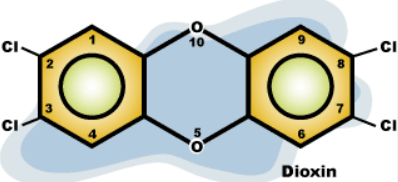
It contained dioxin a highly toxic chemical linked to serious health problems. It is estimated that millions of gallons were sprayed across Vietnam between 1962 and 1971. The specific dioxin that is found in Agent Orange is known as TCDD, which is considered to be one of the most toxic man-made chemicals. While being extremely effective with clearing plants, dioxin is extremely dangerous to human beings. It accumulates in body fat and eventually disrupts hormones and immune functions. In adults it is linked with diseases such as several cancers, type 2 diabetes, and nerve disorders. In children it creates developmental disorders, spina bifida, and neurological impairment.
Human Consequence
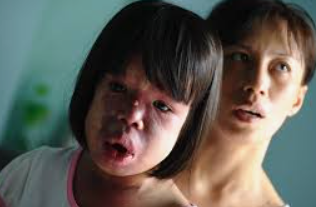
As a result of such a dangerous chemical being used in this herbicide many veterans and children faced long term effects. Many Vietnam veterans exposed to Agent Orange later developed serious illnesses that researchers and the U.S. Department of Veterans Affairs (VA) associated with dioxin exposure. The VA now officially recognizes numerous diseases connected to Agent Orange exposure for disability compensation purposes. Families affected by Agent Orange described generations of children born with physical deformities, neurological disorders, and chronic health conditions believed to be associated with toxic dioxin exposure. These children earned the term Agent Orange Babies.

Legacy Today
Today, the legacy of Agent Orange continues long after the Vietnam War ended, affecting veterans, Vietnamese civilians, and their families across multiple generations. Thousands of veterans still live with cancers, diabetes, neurological disorders, and other illnesses linked to dioxin exposure, while many families continue caring for children born with severe disabilities and congenital conditions associated with the chemical. In Vietnam, former military “hot spots” remain the focus of ongoing environmental cleanup efforts due to persistent dioxin contamination in soil and water. Governments, scientists, and humanitarian organizations continue researching the long-term genetic and developmental effects of exposure, while advocacy groups push for expanded medical support and recognition for affected families. The lasting impact of Agent Orange has transformed it from a wartime weapon into one of the most enduring environmental and human health tragedies of the twentieth century.