
Would You Accept a Pig’s Heart to Survive?
What would it be like if the heart-beating inside you wasn’t actually “yours”? What if it actually belonged to a pig?
In the U.S. alone, over 100,000 people are on waiting lists for organ donations. Unfortunately, an estimated 13 people die every day because the transplant they need never arrives (www.organdonor.gov/learn/organ-donation-statistics).
To fix this shortage, xenotransplantation, which is the transplantation of organs from animals to humans, rises as an revolutionary solution. While this could solve the organ crisis with ongoing rapid advances, it also raises serious ethical questions that go way beyond just “using animals.”
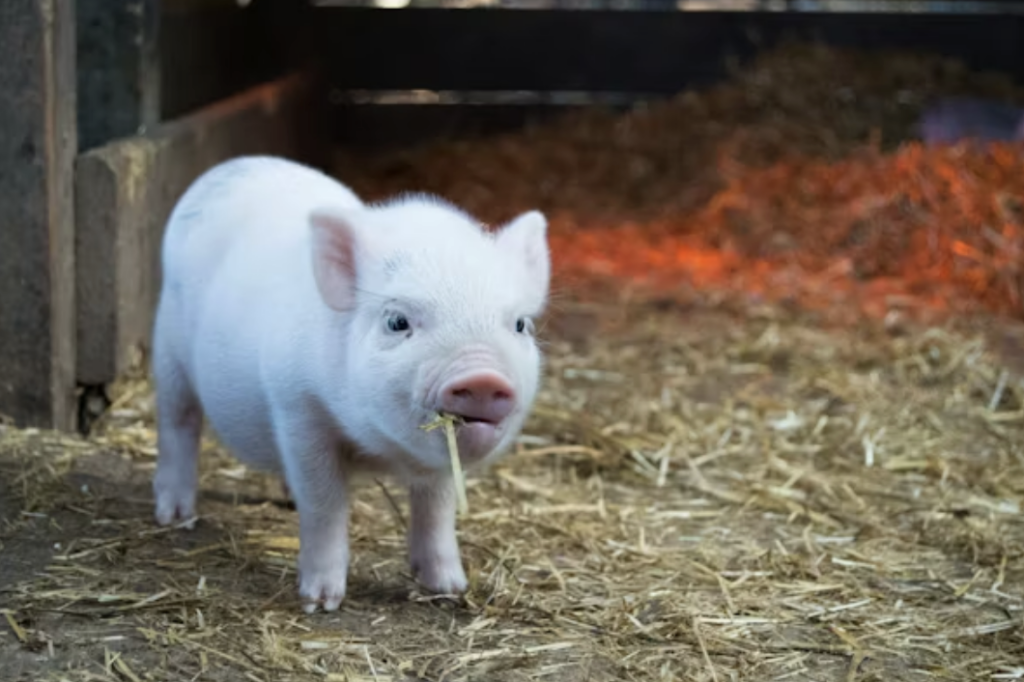
Table of Contents
- What is Xenotransplantation?
- Why “Pigs” Specifically?
- The Ethical Challenge: The 3Rs
- Conclusion
What is Xenotransplantation?
Xenotransplantation (https://www.fda.gov/vaccines-blood-biologics/xenotransplantation) is the process of moving organs or tissues between different species. Today, it’s mostly known to us as the innovation of putting pig organs into humans.
In this process, pig organs must be genetically modified to stop immune rejection. Without these changes, the human immune system would see the organ unadoptable and symptomize adverse reactions.
Why “Pigs” Specifically?
- Similar Anatomy: Pig organs (especially hearts and kidneys) are very similar in size and structure to human organs.
- Fast Growth: Pigs reach adult size in just six months, which makes them a very efficient choice for scientists(https://porkcheckoff.org/pork-branding/facts-statistics/life-cycle-of-a-market-pig/)
- Lower Disease Risk: These pigs live in Designated Pathogen-Free (DPF) conditions, so they are very clean and safe
- Practicality: Since pigs are already used for food, many people think using them for medicine is more acceptable than using monkeys or apes.
But is this actually okay? People argue that because we already use pigs in various industries, like foods, using them for medicine is fine. However, many people still disagree with this idea.
The Ethical Challenge: The 3Rs
In biology, scientists are asked to follow the 3Rs: Replacement, Reduction, and Refinement (https://nc3rs.org.uk/who-we-are/3rs). These rules help us treat animals fairly. But it seems like xenotransplantation is challenging this 3Rs criteria.
Pigs used for this are kept in strict, “pathogen-free” rooms. They can’t live freely or act like normal pigs. According to researchers Roger and Hurst (2024) (https://jme.bmj.com/content/50/11/729) , these animals are:
- Genetically modified before they are even born.
- Raised in tiny, controlled environments.
- Unable to act out their natural instincts.
- Monitored by scientists 24/7.
Unlike other experiments that end quickly, this is a permanent system of breeding and killing animals just for their parts. This makes the ethical problem even bigger! It’s not just about using an animal; it’s about creating a whole system where animals are just “biological tools.”
Conclusion
In future, xenotransplantation could serve as a groundbreaking solution to the global organ shortage, with the potential to save thousands of lives. However, it also forces us to confront difficult questions about the moral limits of using animals for human benefit.
As this technology advances, we must not only consider what is possible, but also reflect carefully on what is right.
written by Hayul Kim

https://shorturl.fm/173Ig
https://shorturl.fm/Ajg7k
Update: still using [url=https://mu88-casino.com/]muu88[/url] after like 3 months now and im definately happy with it, the whole experience has been smooth and consistent, way better than what i expected when i first signed up
So my freind literally told me about [url=https://7slotcasino.com/]7slpts[/url] like a month ago and I was skeptical at first but then I decided why not right and honestly been pretty impressed with how it runs smooth accross different devices and stuff